
Why You Need a Guide for the Manaslu Circuit Trek
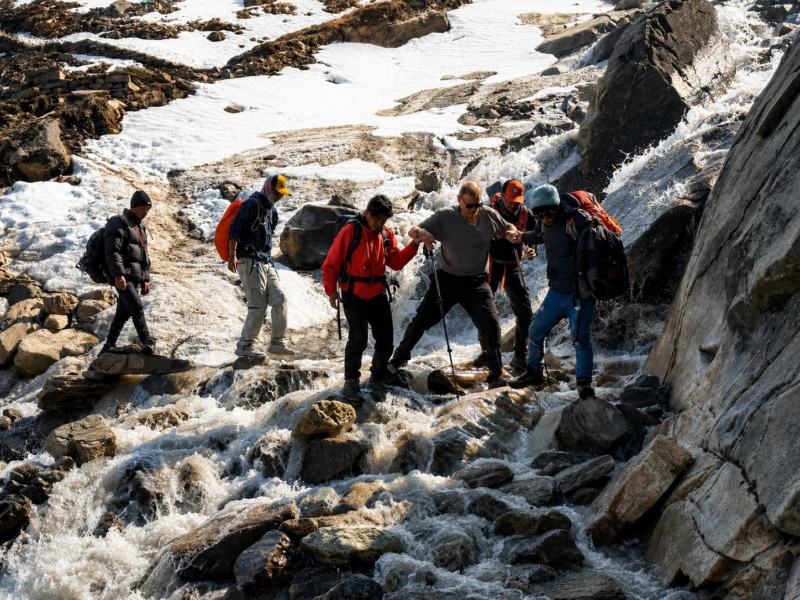
The Himalayas in Nepal are home to some of the world’s most amazing trekking experiences, drawing adventurers with breathtaking mountain views, diverse cultures, and unforgettable trails.
From the well-known Annapurna Circuit Trek to the secluded and less-traveled Manaslu region, Nepal offers a wide range of adventure opportunities for all types of trekkers.
Among these destinations, the Manaslu Circuit Trek stands out as one of the most rewarding yet challenging journeys.
The trail takes you around Mount Manaslu, the world’s eighth-highest peak, through a restricted trekking area known for its traditional villages, ancient monasteries, and spectacular Himalayan landscapes.
However, the trail’s remote location brings several challenges, including unpredictable weather, high altitudes, limited facilities, and difficult terrain.
Because of these factors, having an experienced guide is crucial for a safe and enjoyable trek. A professional guide not only helps you navigate the trail but also manages logistics, ensures you follow trekking regulations, and offers valuable local insights throughout your journey.
A Guide Is Mandatory for the Manaslu Circuit Trek
One of the main reasons you need a guide is that the Manaslu region is classified as a restricted trekking area in Nepal.
Unlike more popular routes such as the Annapurna Circuit, international trekkers are not allowed to explore this area independently. According to Nepalese regulations, travelers must obtain a Restricted Area Permit (RAP) and complete the trek with a licensed guide from a registered trekking company.
These regulations help protect the natural environment, preserve local culture, and improve safety for trekkers exploring this remote Himalayan region.
The trail passes through isolated villages with limited access to transportation and medical services. Having a guide therefore provides valuable support throughout the journey.
A knowledgeable guide can also assist with permits, accommodation, transportation, and other preparations, allowing trekkers to focus more on enjoying the landscapes and cultural experiences.
A Guide Improves Your Safety on the Trail
Safety is one of the biggest benefits of hiring a guide for the Manaslu Circuit Trek.
The trail includes steep climbs, narrow paths, suspension bridges, landslide-prone areas, and the high-altitude Larkya La Pass, which reaches approximately 5,106 meters.
A trek to Manaslu Circuit requires careful planning and preparation because the route is more remote than many other trekking destinations in Nepal. An experienced guide understands the trail conditions and can help trekkers make safer decisions throughout the journey.
How a Guide Can Help With Safety
A professional guide can assist with several important aspects of safety, including:
- Choosing safer routes when weather conditions change
- Maintaining an appropriate walking pace
- Recognizing early signs of altitude sickness
- Providing basic first-aid assistance
- Arranging emergency support when necessary
For example, weather conditions at Larkya La Pass can change quickly. A guide with experience in the region knows how to prepare for the crossing, when conditions are generally more suitable, and when it may be safer to adjust the itinerary.
Local Knowledge Makes Your Trek More Meaningful
The Manaslu Circuit Trek is not just about mountain scenery. The journey also provides an opportunity to experience the rich Himalayan culture of the communities along the route.
The trail passes through traditional Gurung and Tibetan-influenced villages where ancient customs, Buddhist traditions, monasteries, and local lifestyles have been preserved for generations.
A local guide can help you understand the history and significance of the places you visit, including:
- Ancient monasteries and prayer sites
- Buddhist traditions and festivals
- Traditional mountain lifestyles
- Historical stories connected to the Manaslu region
Without a guide, many of these cultural experiences may be easy to overlook. A guide can communicate with local communities, explain cultural practices, and help create meaningful connections with the people living in the Himalayas.
Guides Make Trekking Logistics Easier
Planning a remote Himalayan trek involves many practical details, from obtaining permits to arranging transportation and finding accommodation along the trail.
Managing these tasks independently can be challenging, particularly for international trekkers who are unfamiliar with the region.
What a Guide Can Organize
A guide can assist with important aspects of the trek, including:
- Trekking permits and documentation
- Transportation arrangements
- Tea house bookings
- Daily route planning
- Communication with local communities
During the busiest trekking seasons, accommodation in remote villages can be limited. Guides often have experience working with local tea houses and can help arrange accommodation after long days on the trail.
Having someone familiar with the region also makes it easier to deal with unexpected changes to transportation, accommodation, weather, or the trekking itinerary.
Guides Help You Acclimatize Properly
Altitude is one of the biggest challenges during the Manaslu Circuit Trek. As the trail climbs from lower valleys toward the high mountain areas, trekkers need to allow sufficient time for their bodies to adjust to the increasing elevation.
A professional guide can help maintain an appropriate pace and monitor trekkers throughout the journey.
Recognizing Altitude Sickness
Guides with experience in high-altitude trekking can recognize common symptoms of altitude sickness, including:
- Headaches
- Nausea
- Dizziness
- Loss of appetite
- Difficulty sleeping
If altitude-related problems develop, a guide can recommend appropriate action, such as resting, slowing the pace, or descending to a lower elevation. More serious symptoms require prompt descent and appropriate medical attention.
Their experience can therefore be extremely valuable when dealing with the challenges of high-altitude trekking.
How to Choose the Right Manaslu Trekking Guide
Selecting an experienced and reliable guide is an important part of planning your trek.
A good guide should have strong knowledge of the Manaslu region, good communication skills, relevant safety training, and experience leading trekkers at high altitude.
Choose a Licensed and Experienced Guide
Always choose a guide who is properly licensed and has experience leading treks in the Manaslu region. Familiarity with the route allows guides to deal more effectively with difficult terrain, weather changes, and other challenges.
Look for Strong Local Knowledge
A guide with extensive local experience can provide useful information about the environment, culture, weather, accommodation, and current trail conditions.
Check Safety Skills and Experience
It is also worth looking for a guide with first-aid knowledge and experience dealing with high-altitude situations. This can provide additional reassurance during a trek where access to medical facilities may be limited.
Conclusion
The Manaslu Circuit Trek is an extraordinary Himalayan adventure, combining spectacular mountain landscapes with traditional villages and rich cultural experiences.
However, its remote location, challenging terrain, high elevations, and restricted-area regulations make proper preparation particularly important.
Compared with more established routes such as the Annapurna Circuit, the Manaslu region requires additional planning, local expertise, and careful navigation.
For these reasons, an experienced guide can make a significant difference to the overall trekking experience, helping with everything from permits and accommodation to navigation, safety, acclimatization, and cultural understanding.
Article provided by Samita Maharjan.

